Pest problems can develop quietly, often beginning in hidden areas before homeowners notice visible signs. Ants may travel behind cabinets, rodents can nest inside walls, and cockroaches may remain concealed in dark spaces during the day. By the time pests become easy to spot, the infestation may already be established. Pest Control Stuart treatment is designed to reduce active pest populations while addressing the conditions that allow them to survive and return. Understanding how pest control treatment works can help homeowners prepare for service, recognize what happens afterward, and make better decisions about long-term pest prevention.
What Is Pest Control Treatment?
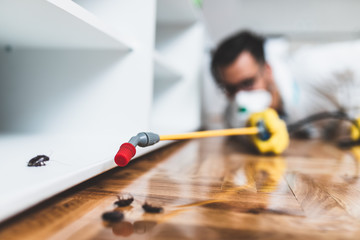
Pest control treatment is the process of managing or eliminating unwanted insects, rodents, and other pests using methods selected for the specific problem. The treatment may involve baits, traps, targeted applications, exclusion work, monitoring devices, or a combination of several approaches. Different pests require different solutions because their behaviors, nesting habits, and life cycles vary. A cockroach treatment may look very different from a rodent control program. Accurate pest identification is therefore an important first step.
Modern pest treatment often focuses on more than simply killing visible pests. Professionals typically inspect the property to identify entry points, food sources, moisture problems, nesting areas, and other conditions contributing to the infestation. Correcting these conditions can reduce the likelihood of future pest activity. This broader approach is often more effective than relying on repeated surface treatments alone. Pest control works best when immediate treatment and long-term prevention are combined.
How Does a Pest Control Treatment Begin?
The process usually starts with a detailed inspection of the home or property. Technicians examine areas where pests are commonly active, including kitchens, bathrooms, garages, basements, attics, crawl spaces, utility areas, and exterior foundations. They look for droppings, damaged materials, nests, insect activity, entry points, and moisture conditions. The inspection helps determine which pests are present and how extensive the problem may be. A good treatment plan depends on understanding the source of the infestation.
Homeowners can help by sharing information about where and when pest activity has been noticed. Details such as scratching sounds at night, recurring ants near a sink, insects around windows, or droppings inside cabinets can guide the inspection. Previous pest treatments should also be mentioned because they may influence the recommended strategy. The more information available, the easier it is to focus attention on likely problem areas. Clear communication supports more accurate treatment.
What Types of Pest Control Treatments Are Used?
Different treatment methods are selected depending on the pest and the location of the infestation. Bait systems are commonly used for certain ants, cockroaches, and rodents because pests interact with the bait and carry or consume it as part of their normal behavior. Traps may be used for rodents or monitoring, while targeted liquid or dust applications can be useful in cracks, crevices, and other pest travel areas. Exterior treatments may also be applied around likely entry points. The best method depends on the specific situation.
Exclusion is another important treatment strategy. Instead of relying only on pest control products, technicians may recommend sealing cracks, gaps, vents, and other openings that allow pests to enter. This is especially important for rodents and recurring insect problems. Removing access points helps reduce future infestations and makes other treatments more effective. Physical prevention is often one of the strongest long-term pest control tools.
How Long Does Pest Control Treatment Take to Work?
The time required for pest control treatment to produce noticeable results depends on the pest involved and the size of the infestation. Some pests may become less active within a short period after treatment, while others require several days or weeks. Treatments that rely on bait transfer or colony behavior often work gradually rather than instantly. This allows the treatment to affect hidden members of the infestation rather than only visible pests. Gradual improvement is often normal.
Large infestations may require more than one service visit. Eggs, hidden nests, newly emerging pests, or rodents entering through unnoticed openings can extend the treatment process. Follow-up inspections allow technicians to evaluate progress and adjust the strategy if necessary. Homeowners should avoid assuming that continued activity immediately after service means the treatment has failed. The expected timeline varies according to the pest and treatment method.
What Should Homeowners Do Before Treatment?
Preparing the home can make pest control treatment more efficient. Food should be stored properly, garbage should be removed, and areas where pests have been seen should be reasonably accessible. Clutter beneath sinks, around utility areas, or near walls may need to be reduced so technicians can inspect and treat those spaces thoroughly. Homeowners should also follow any specific instructions provided before the appointment. Preparation requirements can differ depending on the treatment.
It is also helpful to identify any sensitive areas of the home before service begins. Pet feeding areas, children’s items, food preparation surfaces, and frequently used rooms may need special consideration depending on the treatment method. The technician can explain which areas will be treated and what preparation is necessary. Following those instructions supports both effectiveness and proper use of treatment products. Good preparation helps prevent avoidable delays.
What Happens After Pest Control Treatment?
After treatment, homeowners may notice temporary changes in pest activity. Some insects may become more visible as they leave hiding places or encounter treated areas. This does not always mean the infestation is getting worse. In many cases, activity gradually decreases as the treatment takes effect. Homeowners should monitor the areas where pests were previously active and note whether sightings become less frequent.
Post-treatment instructions should be followed carefully. Depending on the service, homeowners may be advised not to clean certain treated areas immediately or disturb bait stations and monitoring devices. Cleaning too aggressively around targeted treatment zones can reduce effectiveness. At the same time, normal sanitation practices such as removing food debris and controlling moisture should continue. Treatment and household maintenance work together to create better long-term results.
Why Are Follow-Up Treatments Sometimes Necessary?
One pest control treatment is not always enough to eliminate an established infestation. Some pests reproduce quickly, and eggs or immature stages may survive the initial service until they emerge later. Rodents may also continue entering if structural openings have not yet been sealed. Follow-up visits help determine whether the infestation is declining as expected. They also provide an opportunity to identify areas that need additional attention.
Recurring pest problems may require an ongoing prevention program rather than repeated emergency treatments. Regular inspections can help identify new activity before populations grow. Seasonal changes may also bring different pest pressures throughout the year. A preventive approach allows treatments and monitoring to adapt as conditions change. Consistent maintenance can reduce the likelihood of major infestations returning.
How Can Homeowners Make Pest Control More Effective?
Good sanitation is one of the most important ways homeowners can support professional pest control. Food crumbs, pet food, garbage, standing water, and leaking plumbing all provide resources that pests need to survive. Removing these resources makes the property less attractive and encourages pests to interact with targeted treatment methods. Keeping food sealed and cleaning spills promptly can make a meaningful difference. Pest control is more effective when pests have fewer alternative resources.
Exterior maintenance is equally important. Shrubs and tree branches should be kept from creating direct pathways to the home, and debris should not be allowed to collect against the foundation. Cracks around doors, windows, utility penetrations, and vents should be repaired when practical. Standing water around the property should also be reduced. Preventive maintenance strengthens the effectiveness of professional treatment and helps protect the home between visits.
When Should You Consider Professional Pest Control Treatment?
Professional treatment may be appropriate when pest activity becomes frequent, widespread, or difficult to identify. Recurring ant trails, cockroach sightings, rodent droppings, scratching noises, termite activity, or repeated DIY treatment failures can indicate that the problem extends beyond what is visible. Professionals have experience identifying nesting areas and understanding pest behavior. A detailed inspection can reveal problems that may otherwise remain hidden. Early intervention often prevents the infestation from becoming more difficult to manage.
Professional assistance is also useful when pests are causing property damage or sanitation concerns. Rodents can damage wiring and insulation, while termites may affect structural wood. Cockroaches and other pests can contaminate kitchens and food storage areas. Delaying treatment may allow damage or contamination to increase. Prompt professional evaluation helps homeowners choose an appropriate strategy before the problem becomes more serious.
Final Thoughts
Pest control treatment is most effective when it combines accurate identification, targeted treatment, prevention, and ongoing monitoring. The process usually begins with an inspection, followed by treatment methods selected for the specific pest and property conditions. Homeowners can improve results by preparing the home properly, maintaining good sanitation, reducing entry points, and following post-treatment instructions. Some infestations require follow-up visits, particularly when pests reproduce quickly or remain hidden in difficult areas. By combining professional treatment with consistent preventive maintenance, homeowners can reduce pest activity and create a cleaner, more comfortable living environment.