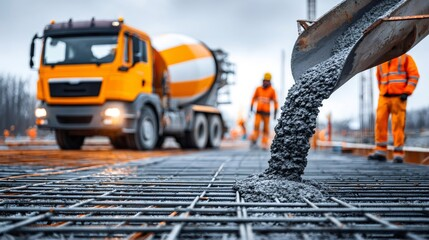
From driveways and walkways to patios, fire pits, and retaining walls, concrete offers durability and versatility for homes and gardens. In addition, it’s environmentally friendly, requiring less energy for production and reducing landfill waste.
GK Construction Solutions is budget-friendly, relying on recycled materials to keep costs low. It’s also sustainable and durable, allowing homeowners to save money in the long run on insurance and heating and cooling bills.
1. Durability
Concrete is a versatile construction material, often used to create foundations for homes, patios and driveways. It can also enhance outdoor living spaces by providing a solid surface for barbecues, fire pits and outdoor kitchens. It also lends itself to creating garden beds that support healthy growth and protect plants from extreme weather conditions.
Concrete offers durability that lasts far longer than traditional materials such as wood, making it a smart choice for a home’s foundation. It’s also resistant to rot, meaning that homeowners won’t have to worry about costly repairs like those needed for wooden framing.
Because of its high melting point, concrete is able to resist intense heat, making it an excellent material for use in construction projects in areas prone to wildfires. The strength of concrete helps to keep a fire from spreading throughout the home, and it allows firefighters to contain the blaze more easily. Concrete also retains heat, helping to regulate indoor temperatures and save on energy costs.
Homes built with concrete are also more resistant to damage from storms and hurricanes. In fact, many insurance companies offer lower homeowner premiums for homes made from concrete because they’re able to withstand more severe environmental forces than those constructed with other materials. In addition, concrete is an eco-friendly choice that’s able to be recycled at the end of its lifecycle. It also requires less maintenance than materials like wood, sparing homeowners from the need for frequent treatments and protective coatings.
2. Strength
Concrete has become a staple in residential construction, especially in the form of foundations, driveways, patios, walkways, and retaining walls. It offers stability and strength for the home, as well as a beautiful addition to the exterior that boosts curb appeal.
Unlike wood and other materials that can be subject to rot or other damage, concrete is long-lasting and requires very little maintenance. In addition, concrete’s durability reduces repair costs and insurance premiums, saving homeowners money on these expenses over time.
It is an extremely strong material that can withstand a lot of force and pressure. It is also impervious to water and fire, making it a great option for areas that are prone to flooding or wildfires. Its resistance to fire also helps protect a home against the spread of flames, offering an extra layer of security that is vital for safety and peace of mind.
Aside from its durability, concrete has impressive soundproofing properties that help to minimize external noise pollution. This makes it a suitable choice for homes and office buildings, ensuring that occupants can enjoy a quiet and comfortable environment.
Concrete is one of the most affordable building materials on the market, thanks to its easy production and availability. It is also earth-friendly, requiring less energy to manufacture than steel or wood. This can save a substantial amount of money for builders, as it will not have to spend on powering heavy machinery or heating and cooling their structures.
3. Aesthetics
Concrete has long been a standard construction material that can stand up to harsh weather conditions, proving it as an ideal choice for homes and buildings. This composite material, concocted from cement, water and aggregates like sand and gravel, transforms into an enduring substance upon curing. Its impressive compressive strength enables it to withstand heavy loads without structural damage or failure. Concrete is also fireproof and noncombustible, making it an excellent choice for homes in high-risk areas such as hurricanes, tornadoes, and earthquakes.
While concrete might be associated with the industrial look, new innovations in concrete can create beautiful and modern aesthetics. Concrete can be molded, colored and polished to match various design preferences. Decorative concrete options, like concrete countertops and sinks, provide homeowners with a sleek and contemporary style. Its durability also makes it a popular choice for kitchen and bathroom flooring, where its natural tone or stain can complement a variety of styles. Concrete fireplaces and stair treads are also becoming increasingly popular due to their durability and aesthetic.
Aside from its beauty, concrete is an environmentally sustainable option that can last up to 100 years and can be recycled when it’s reached the end of its useful life. It is also a great choice for green builders looking to reduce their environmental footprint and lower their energy costs.
While concrete houses can seem expensive compared to traditional wood-framed homes, they tend to pay for themselves in the long run due to their durable nature and energy efficiency. Moreover, the insulating properties of concrete help to maintain comfortable indoor temperatures, thereby saving on heating and cooling costs. They also insulate residents from traffic noise and other outdoor activities, resulting in better quality of life for the occupants.
4. Versatility
Residential concrete projects are a great way to enhance the look and functionality of a home, from driveways and patios to decorative features and foundations. These projects can improve a property’s aesthetic and increase its value, making them an excellent investment. By following a few key tips, homeowners and contractors alike can successfully plan and execute their residential concrete projects.
The versatility of concrete makes it an excellent construction material for any indoor or outdoor project. Its pliability and durability make it suitable for a range of landscaping tasks, including sidewalks, patios, and garden beds. It can also be used to construct foundations for homes, protecting them against severe weather conditions and extending their lifespans.
In addition to its many design benefits, concrete is a highly-efficient material. It requires little energy to manufacture and transport, which helps reduce its environmental footprint. Furthermore, concrete’s insulating properties help regulate indoor temperatures and save energy costs.
Another benefit of using concrete in the home is its resistance to mold and other decay. Concrete does not absorb water like wood, which can cause mildew and mold to form. This is a major advantage for Everlogs concrete log homes, as it extends their life and protects the logs from moisture-related damage.
Concrete is also non-combustible, providing an extra layer of protection against fire damage in the home. Its anti-bacterial and pest-resistant characteristics also prevent the growth of harmful organisms in a home. Combined with its low maintenance requirements, these factors make concrete an ideal choice for the home. For these reasons and more, many homeowners are choosing to incorporate concrete into their building plans. In fact, according to a recent report by the U.S. Green Building Council, concrete is one of the fastest growing construction materials in the country.
5. Energy Efficiency
Concrete’s thermal mass properties allow it to keep temperatures more even and stable than structures made from other materials. Moreover, its airtight insulation and low air infiltration reduces cold drafts and helps you conserve energy. This could save you significant amounts of money on your heating and cooling costs over the long term. Additionally, you can use smaller-capacity equipment in concrete homes which further lowers your energy costs.
Unlike wood, steel, and other materials used in construction, concrete does not absorb moisture and doesn’t culture mold or mildew. This helps reduce toxins in your home and makes it healthy to live in. Additionally, concrete doesn’t require the frequent treatments that other building materials like wood need, minimizing environmental waste and saving you money on maintenance.
The material’s longevity also helps you minimize repair and replacement costs, further saving you money over time. Concrete can last for decades, and even when it does wear out, you can still repurpose it or recycle it into other projects. This versatility and cost-effectiveness make concrete a popular choice for residential projects that want to save on long-term costs.
Concrete is noncombustible, making it resistant to fires and high temperatures. As a result, it’s an excellent choice for structures near water and in high-fire risk areas. In addition, the material can withstand severe weather elements that would damage other buildings and structures. Concrete is also an effective fire barrier, protecting occupants and their possessions from harm. In addition, its durability means that it can withstand tornadoes and hurricanes, and is an ideal choice for areas with severe weather conditions. Ultimately, concrete is an environmentally friendly building material that provides homeowners with a safe and comfortable living environment while supporting green initiatives.
Visit our Professional Services Blogs
Smart Choice Plumbing And Air, Sanitize My Airducts, Bethesda Locksmith, Golden Coast Cleaners, Advanced Concrete Staining, Home Pool Cleaners, Brayhines Septic, Shaka Pool And Spa Cleaning,Mr Clean And Shine, Best Appliance Repair Long Beach, Gulf to Bay Water Remediation, Garage Door San Francisco, Richmond Flooring, Fence Builders Woodlands, Colorado Springs Auto, Fuel Frontlines, Expert 24 Option, Sacramento Roseville Real Estate, SLO Homes, Philadelphia Towing, State Powerwashing, Truck Tires Worldwide, Website Translation, Construction Company Farmington NM, Green Home Los Angeles, Trinity SEO Marketing, Electric Fireplaces, Argos Bookkeeping, Christopherson Drywall,Garage Door Installation, Missouri Personal Injury Lawyer Blog, Alvins Auto Body, Carpet Care Pros, Las Vegas Concrete, Clark Concrete Company, Deck Builders Missour City, Lechleitner Builders, Medical Health Insurance Policy, Royal Siding Windows, Carpet Steam Cleaners Review, Go Greeen Lawn Painting, Oakwood Skate Deck, Texas Home Remodeling And Painting, USA Home Repair Remodeling, Dream Home Remodeling Services, Brent Lawn Homes, Great Ernm Homes, Accelerated Orthodontic, Arctic Cooling And Heating, Baltimore Heating And Airconditioning